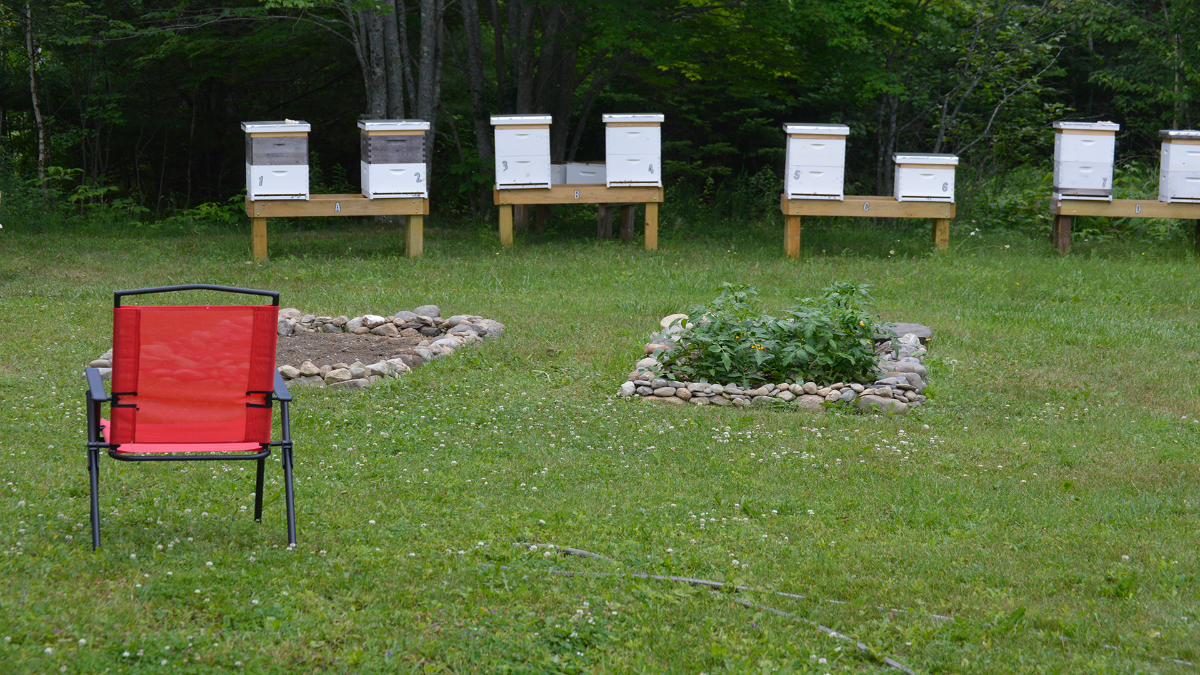
Protecting Pollinatorsin Central Maine
Join our mission to promote the health of honeybees and other pollinators through education, community involvement, and sustainable beekeeping practices.
Volunteers Wanted to Build Beautiful Pollinator Gardens in Pittsfield, Maine Area
Are you passionate about helping pollinators and creating beautiful outdoor spaces? We need your help! We're embarking on a project to transform overgrown, eyesore areas in the Pittsfield, Maine area into vibrant, wildflower gardens that will attract Honeybees, Butterflies, Hummingbirds, and many other pollinators. We need volunteers!
- Starting in the Spring of 2026 -
Click For More InfoOur Mission
Saving the Honeybees was founded in central Maine with a clear purpose: to help increase pollinator populations in our region and promote the health of honeybees and other essential pollinators.
We provide educational opportunities for people to learn about beekeeping and understand the vital role that pollinators play in our environment and food systems.
Learn More About UsChoose Your Impact Level
Every contribution directly supports hive health and education.
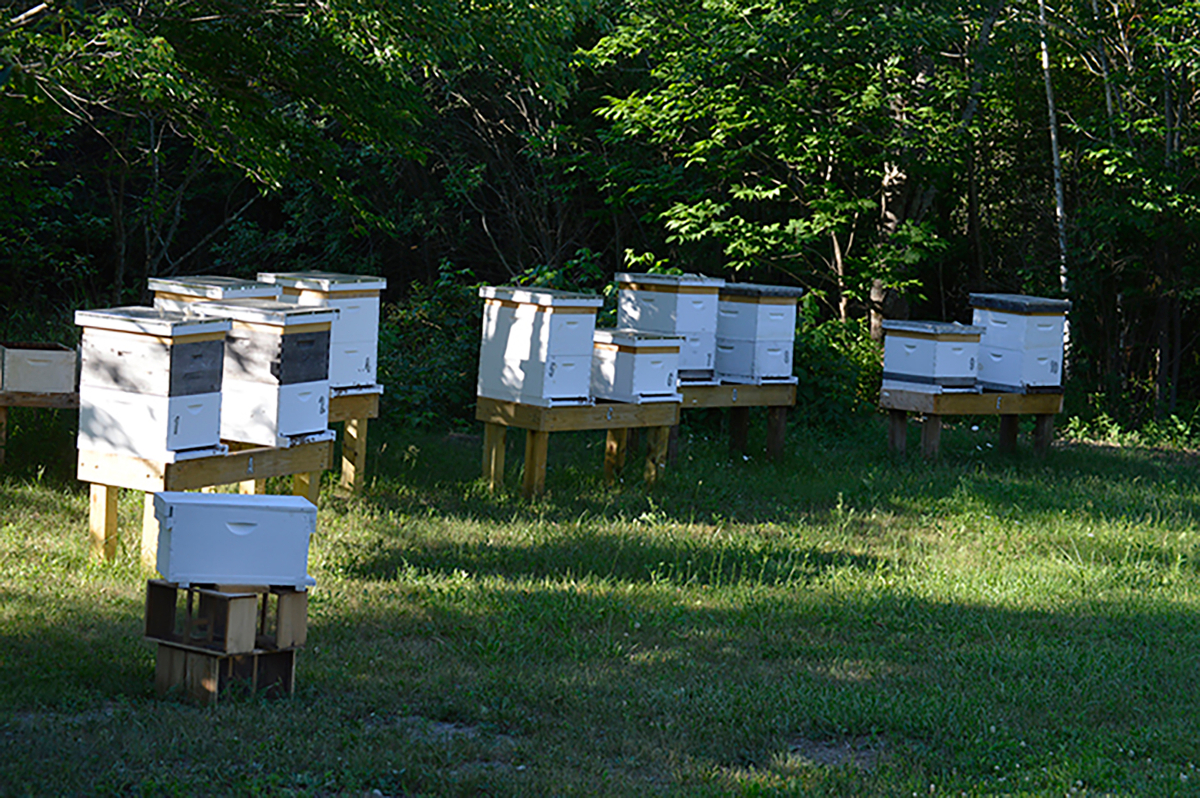
Apiary Supporter
1 Payment Covers 2 Yrs.
Your Gift Package:
- Official Supporter Certificate
- Four (4) E-Mail Updates
- 8 oz. Honey Bear
- One (1) Apiary Visit Per Year
- A Newsletter with Pollinator Information, Honey Recipes and more
- 5% Off Any Honey Purchases – 2-Yrs
- One (1) Pkg of Wildflower Seeds
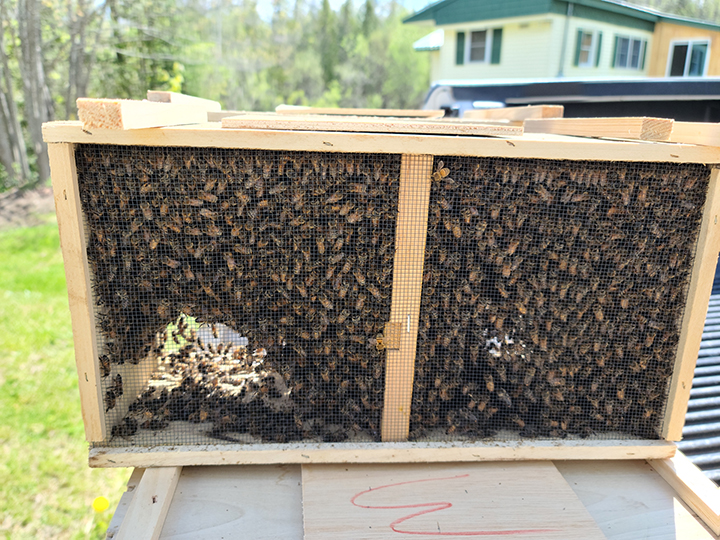
Sponsor a Package of Honeybees
1 Payment Covers 2 Yrs.
Your Gift Package:
- Official Sponsor Certificate
- A Photo Of Your Bees At Arrival & Video of them Being Installed In Their Hive
- Four (4) E-Mail Updates with Pics & Videos
- One (1) 32 oz. Jar of Honey Per Yr.
- Two (2) Apiary Visits Per Year
- One (1) Pkg of Wildflower Seeds
- 10% Off Any Honey Purchases – 2-Yrs
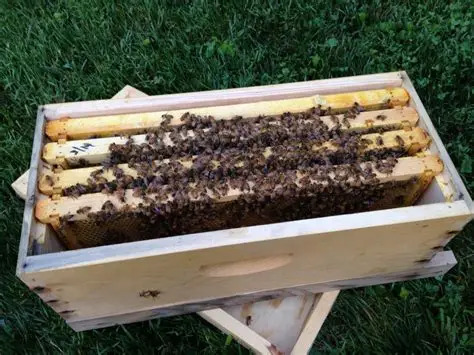
Sponsor a Nuc of Honeybees
1 Payment Covers 2 Yrs.
Your Gift Package:
- Official Sponsor Certificate
- A Photo Of Your Bees At Arrival & Video of them Being Installed In Their Hive
- Four (4) E-Mail Updates with Pics & Videos
- One (1) 32 oz. Jar of Honey Per Yr.
- Two (2) Apiary Visits Per Year
- One (1) Pkg of Wildflower Seeds
- 15% Off Any Honey Purchases – 2-Yrs
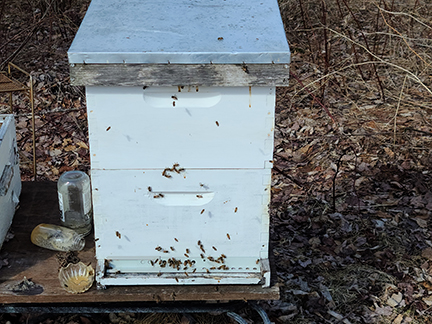
Hive Sponsor
1 Pymnt = Life Of Hive
Your Gift Package:
- Official Sponsor Certificate
- A Plaque With Your Name on the Hive
- A Photo Of Your Bees At Arrival
- Four (4) Quarterly E-Mail Updates
- One (1) 32 oz. Jar of Honey A Yr.
- Three (3) Apiary Visits Per Year
- Opportunity To Work With The Bees You Sponsored
- Paint Your Hive!
- One (1) "I'm Saving The Bees At Hood Brook Apiary" T-Shirt
- One (1) Pkg of Wildflower Seeds
- 15% Off Any Honey Purchases – 2-Yrs
Honeybee Facts
Discover fascinating facts about Maine's honeybees and their importance
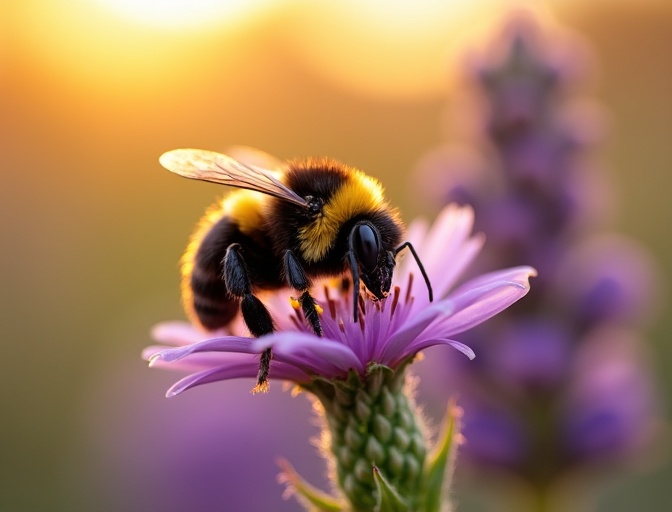
Maine's Native Pollinators
Maine is home to over 270 species of native bees, including bumblebees, mason bees, and sweat bees. These native pollinators work alongside honeybees to support our agricultural ecosystem and wild plant populations.
Pollination Powerhouse
A single honeybee colony can pollinate up to 300 million flowers in one season. In Maine, honeybees are essential for pollinating blueberries, apples, cranberries, and many other crops that contribute over $100 million to our state economy.
Winter Survival Champions
Maine honeybees must survive harsh winters where temperatures drop well below freezing. Colonies cluster together and vibrate their wing muscles to generate heat, maintaining a core temperature of 93°F even when it is minus 40°F outside.
Lessons from the Beehive
Winter Cluster
Honey bees don't technically hibernate. Instead, they form a winter cluster to survive the cold months.
Winter Cluster,
Not Hibernation
Bees form a ball-like cluster that keeps the colony warm. The bees on the outer edge act as insulation.
Heat & Energy
The cluster stays about 90–95°F in the center. Bees remain awake and active inside the cluster, just moving slowly and conserving energy.
90-95°F
Core Temperature
No Sleep Here
Bees remain awake and active inside the cluster, just moving slowly and conserving energy.
Spring Reawakening
The queen begins laying eggs again as the daylight lengthens, ready for spring blooms.
Understanding winter clustering helps us appreciate the remarkable survival strategies of honeybees
Honey Recipes
Delicious ways to enjoy Maine honey
Maine Honey Glazed Salmon
Fresh Atlantic salmon with a sweet and savory honey glaze, perfect for dinner
Honey Lavender Cookies
Delicate butter cookies infused with Maine honey and dried lavender
Honey Butter Cornbread
Moist and fluffy cornbread with a touch of sweetness
Honey Roasted Root Vegetables
Seasonal vegetables caramelized with Maine honey
Honey Lemon Tea Cake
Light and zesty cake perfect for afternoon tea
Honey Mustard Chicken
Tender chicken breasts with tangy honey mustard sauce
Make a Donation
Every contribution helps us protect Maine's honeybees and pollinators
Support Our Mission
Your generous donation directly supports hive maintenance, bee health monitoring, educational programs, and our efforts to protect pollinators throughout central Maine. Choose any amount that feels right for you.
Secure payment processing through Stripe
Contact Us
Have questions about honeybees, beekeeping, or our programs? We'd love to hear from you!
Get In Touch
Whether you're interested in volunteering, learning about beekeeping, or just want to know more about our mission, we're here to help.
Visit Us
Pittsfield, Maine
Apiary Hours
By appointment only
Email Us
We'll respond within 24-48 hours